Secrets of a bourbon rickhouse
Secrets of a bourbon rickhouse
If you’ve ever been on a bourbon distillery tour, then you know one of the best parts is walking into a rickhouse for the first time. It’s truly a buffet for the senses. You’re immediately enveloped with the wonderful scent of aging bourbon and oak; barrels are stacked as far as the eyes can see; and the feel of smooth oak on your fingertips just rounds out the experience.
At the moment, there are more than 16 million barrels of bourbon aging in Kentucky, according to the Kentucky Distillers’ Association. And these barrels age in a structure commonly known as a rickhouse or barrel warehouse. Most of these rickhouses are not heated or cooled, relying on the ups and downs of Kentucky’s seasonal weather. That’s part of the magic that makes great bourbon, and these structures hold even more secrets.
Often towering, sometimes unassuming, bourbon warehouses are far more than storage buildings. They are active participants in the whiskey-making process, quietly influencing flavor, aroma and character over years or even decades. To understand bourbon, you have to understand the rickhouse.

What is a Bourbon Rickhouse?
A bourbon rickhouse is where barrels of aging bourbon are stored after distillation. Most traditional warehouses are multi-story structures built of wood, brick or steel, designed to hold thousands of barrels.
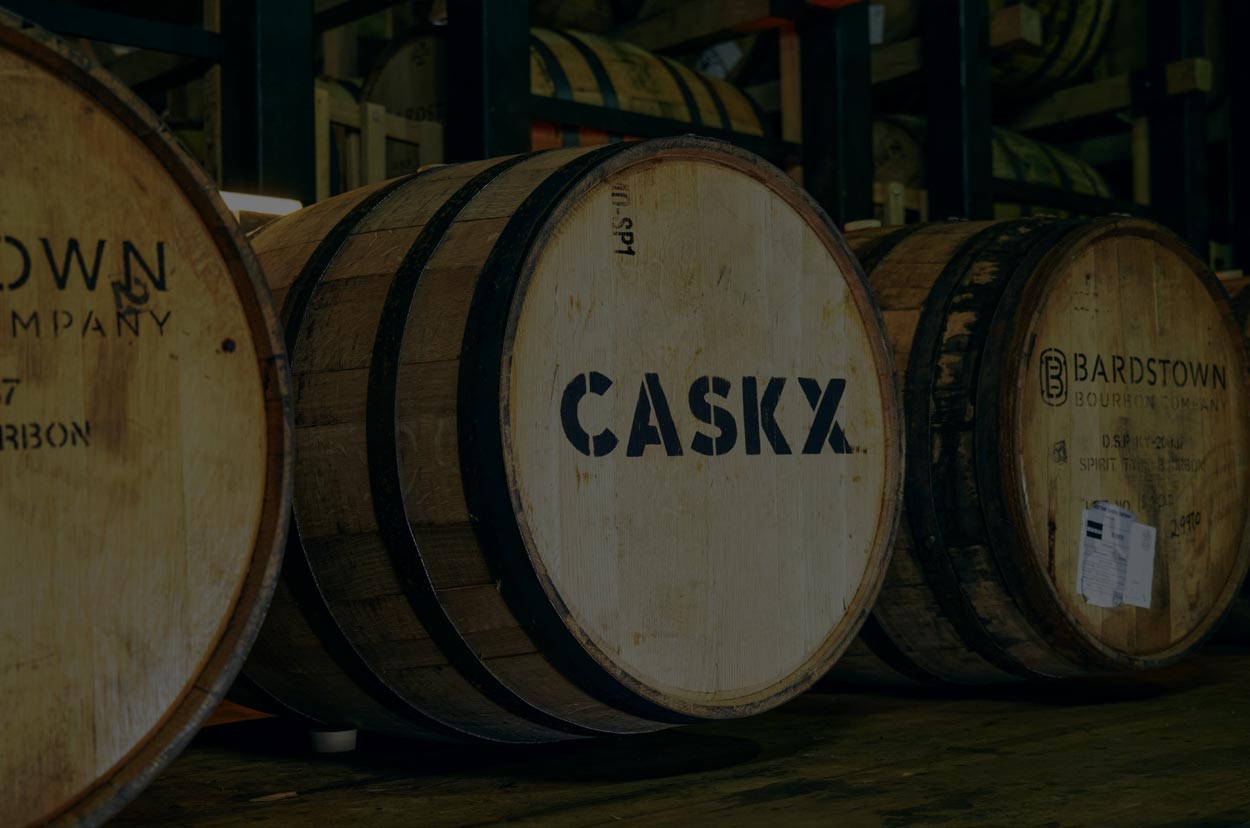
Inside the rickhouse, barrels are stacked on wooden racks called “ricks,” often reaching six to seven stories high. In traditional rickhouses, barrels are stored on their sides and generally not moved or rotated for their entire 4-10+ year life, on average. In more modern barrel warehouses, the barrels will age standing upright, usually four to a pallet, which are then stacked about four to six stories high.
Once a barrel enters the warehouse, time, temperature and nature take over.

Why Do Rickhouses Matter?
Unlike other spirits aged in controlled environments, bourbon matures in Kentucky’s dramatic climate swings. Hot summers and cold winters cause the whiskey to expand into and contract out of the oak barrel, extracting color, tannins, sugars and spice from the wood. Many in the industry believe the barrel is responsible for at least 70% of the bourbon’s flavor.
- Top floors experience higher heat, leading to bolder, richer flavors.
- Lower floors are cooler and more stable, often producing softer, smoother whiskey. There is less evaporation down here.
- Middle floors strike a balance between the two.
This is why distillers pay close attention to barrel placement and is also why single-barrel bourbons can vary so beautifully.

The Angel’s Share
As bourbon ages, some of it evaporates through the barrel. This loss, known as the “angel’s share,” can amount to 2-5% per year depending on conditions. Over time, warehouses literally breathe bourbon into the air — a sweet, oaky aroma that anyone who’s visited a distillery never forgets.
While evaporation reduces volume, it concentrates flavor, making patience an essential ingredient. Barrels stored near the top floors of a rickhouse tend to lose more angel’s share than barrels at the bottom. That’s because the temperatures get hotter at the top, causing water to evaporate. This also increases the proof of the barrels, and more high-proof bourbons usually come from top floors.
Traditional vs. Modern
Classic rickhouses are often made with wooden beams and plank floors, allowing for maximum airflow and temperature variation. Many distillers still swear by these traditional designs. Places like Bardstown Bourbon Co., Green River, Jim Beam and Buffalo Trace prefer the traditional rickhouse for aging barrels.
Modern warehouses, on the other hand, may incorporate steel construction, tighter spacing or even experimental climate control. And many of these, as I mentioned above, store the barrels in a palletized, vertical manor. This makes moving barrels less labor intensive, and construction of these warehouses is often less expensive than a rickhouse.

Pallet racking allows for efficient use of vertical space, which can free up space for storage or more barrels. The pallets used to hold four full barrels of bourbon — which weigh about 520 pounds each — are specially designed for holding heavy loads. Smaller distilleries like Kentucky Artisan Distillery and Bluegrass Distillers in Kentucky use palletized warehouses for efficiency.
While some distillers embrace innovation, others remain firmly rooted in tradition — but both approaches aim for exceptional bourbon. There really is no right or wrong way to store barrels, and that decision is an important one for distillery owners. Whether it’s cost, efficiency, tradition or logistics that play into that choice, how barrels age can help influence the overall taste profile of a brand, so it’s definitely not something that is decided hastily.

Bourbon Landmarks
Beyond their function, bourbon rickhouses have become icons of the American whiskey landscape. Long rows of aging barrels symbolize heritage, craftsmanship and time itself. They are places where nothing appears to happen, yet everything is happening. They are truly magical places, and magic is definitely happening inside.
Rickhouses remind us that great whiskey can’t be rushed. They are where science meets patience, where nature collaborates with craftsmanship, and where bourbon truly becomes bourbon. If you’ve never visited the Kentucky Bourbon Trail, I recommend it highly. And when you step into that rickhouse for the first time, remember to breathe deeply and let the magic of bourbon whisk you away.